Aloha Beach Graphics and Illustrations for Local Branding
As a brand designer who has spent years helping local businesses find their visual voice, I approach every new graphic design asset with a mix of excitement and skepticism. The market is flooded with generic clipart, but finding something that truly elevates a small business branding project requires more than just aesthetic appeal; it needs structural integrity and emotional resonance. Recently, I evaluated the Aloha Beach illustration set to determine if it had the potential to serve as a cornerstone element in a real-world packaging and promotional campaign. After testing its versatility across various media, here is my professional review of how this asset can transform a local business’s presentation.
The First Impression: Mood and Brand Personality
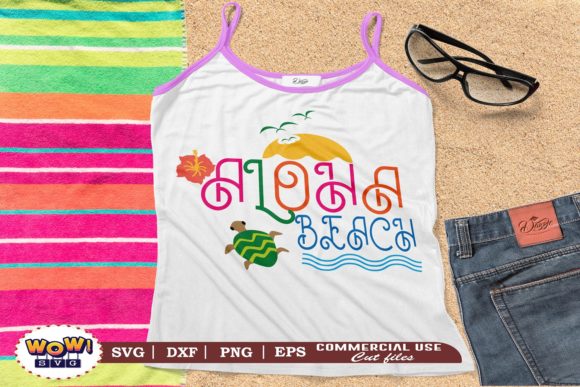
When you first download the Aloha Beach file, the immediate takeaway is its distinct personality. It does not scream for attention like a bold corporate logo, nor does it whisper so quietly that it gets lost. Instead, it strikes a balance between friendly warmth and polished elegance. The line work suggests a hand-drawn quality that feels organic and inviting, which is crucial for today’s consumer who values authenticity over mass-produced perfection.
This mood aligns perfectly with brands that want to project a sense of relaxation, coastal living, or artisanal craftsmanship. Whether you are running a boutique skincare shop, a handmade candle business, or a local bakery specializing in tropical-inspired treats, Aloha Beach provides an instant emotional connection. It feels premium without being pretentious, making it suitable for both playful summer campaigns and year-round elegant branding. The illustration carries a decorative weight that enhances rather than overwhelms, setting the stage for a cohesive brand identity.
Real-World Application in Packaging and Labels
In the world of physical products, packaging is often the first point of contact between your business and your customer. I tested Aloha Beach on several mockups to see how it performed as a primary graphic element. The results were promising for a variety of product types.
- Product Labels: On glass jars for candles or soy wax melts, the illustration adds a touch of sophistication. It works beautifully as a central focal point on kraft paper labels, where the natural texture complements the organic feel of the drawing.
- Packaging Accents: For food businesses, such as a local jam maker or cookie brand, this asset serves as an excellent accent. It breaks up dense text and guides the eye toward the product name, improving visual hierarchy.
- Hang Tags and Stickers: The clean lines make it ideal for die-cut stickers. When used on hang tags attached to clothing or home decor items, it reinforces the idea of a curated, thoughtful purchase.
The asset supports stronger first impressions by providing a consistent visual anchor. When customers see the same high-quality illustration across your website, social media, and physical packages, it builds trust and recognition. A polished look signals that you care about details, which translates directly to perceived product value.
Versatility Across Digital and Print Media
One of the most compelling aspects of Aloha Beach is its format flexibility. The inclusion of multiple file types ensures that designers can adapt the asset to almost any marketing visuals requirement. Here is how different formats translate into practical use cases:
- SVG Design: The vector file is indispensable for logo design scalability. You can resize it from a tiny favicon to a large billboard without losing quality. It also allows for easy color customization, ensuring the illustration matches your specific brand palette.
- PNG Design: The transparent background PNG is perfect for quick edits in tools like Canva. Social media managers can easily layer this graphic over photos for Instagram posts or Pinterest pins, creating engaging social media graphics without needing complex editing software.
- EPS and DXF Files: For businesses using cutting machines like Cricut or Sure Cuts A Lo, these files allow for the creation of custom vinyl decals, stencils, or physical embellishments. This bridges the gap between digital illustrations and tangible product experiences.
This multi-format support means you are not just buying a picture; you are acquiring a versatile design asset that can evolve with your business. From web design headers to editorial design layouts in lookbooks, the asset maintains its integrity.
Strategic Placement and Where to Use Carefully
While Aloha Beach is highly adaptable, a seasoned designer knows that placement is everything. To maintain a professional look, there are specific contexts where this asset should be used with caution.
It is best suited for areas where decoration enhances the message, such as product mockups, thank-you cards, and seasonal packaging. However, avoid placing it in crowded layouts where it might compete with critical information. For instance, do not use it as a background behind ingredient lists or legal disclaimers on food labels. The intricate lines can reduce readability, violating principles of clear visual hierarchy.
Additionally, while the illustration has a warm tone, it may not fit formal corporate branding or ultra-minimalist luxury brands that rely on stark simplicity. In those cases, the decorative nature of the drawing might feel out of place. Always test the asset against your existing typography. It pairs exceptionally well with serif fonts for a classic look, sans-serif fonts for a modern twist, and script fonts for a feminine, handwritten vibe. Avoid pairing it with heavy display fonts that clash with its delicate structure.
Practical Designer Notes for Implementation
Before integrating Aloha Beach into your final project, I recommend following these practical steps to ensure the highest quality outcome:
- Test on Real Mockups: Do not judge the asset solely on a white screen. Place it on actual material textures, such as matte paper, glossy plastic, or wood, to see how it interacts with light and surface.
- Check Black and White Usage: Ensure the illustration holds up in monochrome. If you plan to print in single-color ink, verify that the negative space remains balanced.
- Review Transparency: Inspect the PNG edges closely for jagged pixels, especially when scaling down for small labels.
- Confirm Commercial Licensing: Always read the fine print. If you are selling physical products, ensure you have the appropriate commercial license to use the design assets for client work or direct sales.
By treating Aloha Beach not just as a clipart image but as a strategic component of your professional branding, you can significantly elevate your local business’s presence. It offers the perfect blend of artistic charm and functional utility, helping you create marketing visuals that resonate with customers and stand out on the shelf. Whether you are launching a new handmade business or refreshing an established local business identity, this illustration set provides a solid foundation for creative success.