Candy Monster: A Designer's Real-World Embroidery Review
When I first opened the files for Candy Monster, my immediate reaction wasn't about the technical specs or the file formats. It was about the mood. There is a distinct energy to this design that feels like a sweet treat mixed with a little bit of playful chaos. As someone who has spent years reviewing graphics and turning them into stitched reality, I know that not every illustration translates well to thread. Some designs look perfect on a screen but fall apart under the needle. However, after mentally mapping out how Candy Monster would handle various fabrics and stitch types, I am convinced this is a piece that deserves a spot in your digital library.
The First Stitch: Visual Personality and Mood
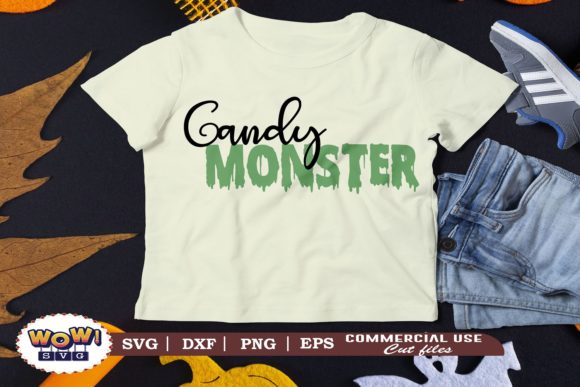
This design falls squarely into the category of fun, character-driven illustrations. The name alone suggests a whimsical creature, likely featuring bold outlines and perhaps some candy-themed elements like lollipops or bright colors. In the world of machine embroidery, character designs are high-stakes because they rely entirely on facial expression and shape recognition. If the details are too fine, the face becomes a blob. If the shapes are too loose, the character loses its personality.
Candy Monster appears to strike a balance that is rare in digital graphics. It feels approachable and cute without being overly complex. For a designer looking to create a handmade product that appeals to children or those with a youthful spirit, this is a goldmine. The visual weight of the design suggests it will hold up well as a central focal point on a garment or accessory. It creates an instant connection with the viewer, which is exactly what you want when you are building a brand around custom apparel.
Real-Life Scenario: The Boutique Tote Bag Project
To truly understand the potential of Candy Monster, let's imagine a real-world scenario. You are preparing for a local craft fair or launching a new collection on Etsy. You have decided to create a line of canvas tote bags featuring playful monsters. These aren't just generic prints; you want them to be tactile, durable, and unique.
You select Candy Monster as the centerpiece. The design's layout seems spacious enough to allow for a generous border of stitching, giving the monster room to breathe. On a sturdy canvas bag, the contrast between the textured fabric and the smooth satin stitches of the design would be striking. Customers love touching their purchases, and a raised, detailed embroidery adds a layer of perceived value that a flat print simply cannot match. Imagine the reaction of a buyer seeing this cheerful monster stitched onto a bag meant for a child's school supplies or a grocery run. It transforms a utilitarian item into a personalized gift that feels special.
But it isn't limited to bags. Think about a sweatshirt for a toddler. The soft fleece provides a perfect backdrop for the design, allowing the stitches to nestle comfortably into the fibers. Or consider a baby onesie where the Candy Monster serves as a gentle, non-threatening companion for the infant. The design's charm makes it highly giftable, suitable for birthdays, holidays, or baby showers. When you sell a finished product, you aren't just selling a bag or a shirt; you are selling the joy and whimsy that the design evokes.
Where to Be Careful: Technical Limitations and Fabric Choices
While Candy Monster shows great promise, an experienced designer knows that context is everything. This design should not be treated as a one-size-fits-all solution. There are specific scenarios where this graphic might struggle if not handled with care.
First, consider the hoop size. If you attempt to embroider this design on a very small surface, such as a baseball cap or a tiny patch, you may lose critical details. The curves of the monster and any internal features could become distorted or merge together. Always ensure the design fits within the stable area of your hoop before committing to the final fabric.
Fabric texture is another major factor. While canvas and fleece are ideal, textured fabrics like heavy bouclé or thick corduroy can hide the definition of the stitches. Similarly, thin or stretchy materials require a stabilizer that matches the weight of the fabric perfectly. Without proper support, the tension of the machine embroidery design could cause puckering, ruining the clean lines of the character. Dark fabrics present a challenge as well; unless you use a high-density underlay or a contrasting thread color, the design might get lost against the background.
Also, be mindful of stitch density. If the design includes areas of tight fill stitches, ensure the fabric can support that weight without becoming stiff or rigid. This is particularly important for items that need to drape softly, like a pillow cover or a lightweight apron.
Impact on Brand and Customer Trust
In the competitive world of Etsy sellers and small business owners, the quality of your embroidery speaks volumes about your professionalism. A poorly executed design can lead to returns and negative reviews, while a well-executed one builds loyalty. Candy Monster, when stitched correctly, elevates the perceived quality of your work. It signals to the customer that you pay attention to detail and care about the finish of your products.
The visual appeal of the design directly influences buyer engagement. A cute, well-defined monster is more likely to be shared on social media, acting as free marketing for your shop. It helps establish a consistent brand voice, especially if you plan to create a series of characters. Whether you are creating commercial embroidery projects or personal gifts, the clarity of the design ensures that the intended emotion is communicated effectively.
Practical Notes for the Design Professional
Before you hit the start button on your machine, there are several steps you must take to ensure success. Do not skip these checks, even if the design looks perfect in your software preview.
- Test on Scrap Fabric: Always run a test stitch-out on a scrap piece of the same fabric and stabilizer combination you plan to use for the final product. This reveals issues with tension, density, or registration that you won't see on the computer screen.
- Check Thread Colors: Review the suggested thread colors against your actual inventory. Sometimes a color that looks vibrant on a monitor appears dull in thread form. Adjustments may be necessary to maintain the "candy" aesthetic.
- Inspect Small Details: Zoom in on the digital embroidery file to check for tiny elements that might disappear during stitching. If the design includes tiny lettering or intricate corners, verify that they are large enough to be captured by your machine.
- Stabilizer Selection: Choose the correct stabilizer for the project. Tear-away might work for a tote bag, but cut-away is often better for garments that will be washed frequently to prevent distortion over time.
- Licensing and Commercial Use: Crucially, review the licensing terms provided with the listing. Confirm whether you are allowed to sell finished products made from this design. Some graphics are for personal use only, while others permit commercial sales. Understanding these rules protects your business from legal issues.
Finally, don't forget to compare light and dark fabric backgrounds in your mockups. The finished product needs to pop regardless of the base material. By taking the time to evaluate Candy Monster through these practical lenses, you ensure that your creative vision translates seamlessly from a digital file to a tangible, cherished item.
Whether you are a seasoned embroidery designer or a hobbyist looking to upgrade your craft business, this design offers a versatile opportunity to create something memorable. With the right preparation and a keen eye for detail, Candy Monster can become a standout piece in your portfolio, delighting customers and elevating your handmade offerings.