Lost in Paradise Embroidery Review
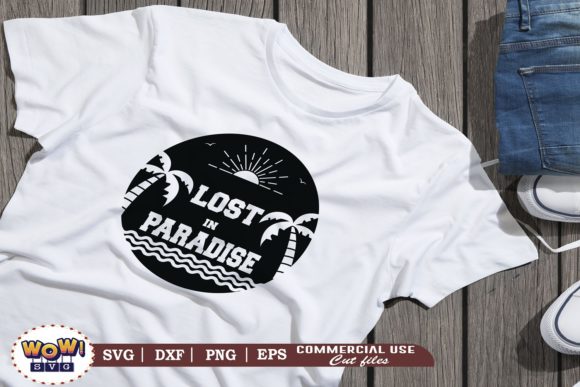
When I first opened the folder for Lost in Paradise, my immediate thought wasn't about the file formats or the technical specs. It was about the mood. As a designer who spends hours evaluating assets for real-world clients, I look for that specific spark where a digital graphic transforms into a tactile experience. This design feels less like a standard vector and more like a vacation postcard waiting to be stitched. It captures a distinct island vibe that is perfect for summer collections, resort wear, or those cozy "staycation" vibes we all need during the colder months.
The product listing mentions it comes as a ZIP folder containing SVG, PNG, EPS, and DXF files, which immediately signals versatility. While these are primarily cut-file formats often associated with Cricut Design Space and Sure Cuts A Lot, their inclusion here suggests this design is intended for multi-use applications, including vinyl transfers and potentially digitized embroidery projects. However, when I think about putting Lost in Paradise onto fabric, I have to shift gears from cutting to stitching. The visual personality of the artwork needs to translate through thread, not just ink or vinyl.
From Digital Graphic to Stitched Reality
I recently had a scenario where a client needed a custom embroidered patch for a limited-run boutique tote bag line. They wanted something that screamed "island life" without looking cheesy. Lost in Paradise came to mind. The layout is open enough to allow for breathing room, which is crucial for embroidery. Unlike dense block lettering that can pucker on thin fabrics, this design seems to rely on negative space and clear lines. If the underlying illustration features palm trees or tropical elements, the curves would flow beautifully in satin stitch, while the text could work well in a clean running stitch or a bold fill stitch depending on the desired texture.
For a small business owner or Etsy seller, the appeal lies in how this design elevates the perceived value of a handmade product. Imagine a simple canvas tote bag featuring Lost in Paradise in vibrant tropical greens and blues. The contrast between the rough texture of the canvas and the smooth sheen of the embroidery thread creates an instant premium feel. It transforms a generic item into a personalized gift that customers will actually want to keep and use. The same logic applies to baby clothes; a soft bodysuit with this motif stitched gently around the chest offers a sentimental touch that parents love to photograph and share.
Where This Design Shines in Real Projects
In my experience, certain garments are better suited for specific types of embroidery designs. Lost in Paradise feels most at home on stable, flat surfaces where the hoop can hold the fabric taut. Here is where I see it performing best:
- Tote Bags and Market Totes: The sturdy cotton or canvas material handles high stitch density well. Placing the design centered on the front allows the message to be read clearly while shoppers carry their goods.
- Sweatshirts and Hoodies: The fuzzy interior of fleece provides excellent stability. A large, detailed version of this design works wonders on the back of a hoodie or across the chest of a crewneck.
- Kitchen Towels and Aprons: These items often feature bold graphics. If Lost in Paradise includes decorative accents, they add a professional flair to a kitchen towel, making it a great holiday gift or wedding present.
- Pillow Covers: For nursery decor or living room accents, the relaxed theme fits perfectly. The design can be framed by a simple border stitch to create a finished look.
- Applique Projects: If the original illustration has distinct shapes, you might consider using applique techniques. Layering different colored fabrics under the satin stitch outlines could give the design a dimensional, handcrafted quality that pure stitching sometimes lacks.
Caution Areas: When to Think Twice
As much as I love this concept, a professional designer knows that every design has its limitations. Lost in Paradise might not be the right choice for every single project. I would advise caution if you are working with stretchy knits, like jersey t-shirts, unless you use heavy-duty stabilizers and a very light touch. The tension required for a complex graphic can cause the fabric to pucker, ruining the crispness of the islands or the text.
Small hoop sizes are another potential pitfall. If the design contains intricate details or tiny lettering, trying to force it into a 4x4 hoop might result in lost definition. Threads that are too fine can get buried in the fabric, while thick threads might crowd out the finer details. Additionally, textured fabrics like heavy denim or boucle wool can hide the nuance of the design. On dark fabrics, you must ensure your thread colors offer enough contrast; otherwise, the "paradise" theme might get lost in the shadows.
If you are planning to sell finished products, remember that commercial embroidery requires durability. Frequent washing can stress the stitches. You need to verify the stitch density and ensure the design isn't too dense in one area, which could lead to tearing over time. Always test the design on scrap fabric first to see how the thread behaves against the specific material you intend to use.
Practical Notes for the Creative Entrepreneur
Before you start stitching, there are some technical steps you must take. Even though the product description lists SVG, PNG, EPS, and DXF files, these are typically vector or raster formats used for cutting machines. If you intend to use this for machine embroidery, you likely need to digitize these files into a format your machine reads (like .PES, .DST, or .JEF), or ensure the provided files include an embroidery-specific version. Do not assume the SVG file will work directly in your embroidery software without conversion.
Here is a checklist I follow before approving any design for a client project:
- Check Thread Color Contrast: Mock up the design in black and white first. Does the text stand out? Are the graphical elements distinct?
- Review Stitch Density: Look at the fill areas. Are they too packed? High density looks luxurious but can distort the fabric.
- Confirm Hoop Size: Ensure your machine's hoop can accommodate the full width and height of Lost in Paradise.
- Inspect Small Details: Zoom in on the finest lines. Will they survive the stitching process, or will they break apart?
- Test Stabilizer: Use the correct type of stabilizer for your fabric weight. A tear-away might be too aggressive for delicate linens, while a cut-away is essential for stretchy materials.
- Licensing Verification: Check the terms carefully. Can you sell the finished physical items? Can you use the digital file for commercial purposes? This distinction is vital for Etsy sellers and shop owners.
The visual appeal of Lost in Paradise goes beyond just aesthetics; it affects customer trust. A sloppy stitch job or a design that doesn't fit the garment properly can make a handmade product look cheap. Conversely, a well-executed design shows attention to detail. When a buyer sees a clean, well-placed embroidery on a tote bag or a personalized gift, they associate that quality with the brand. It builds a reputation for professionalism.
Ultimately, Lost in Paradise is a versatile asset for crafters and designers willing to put in the preparation work. Whether you are creating a custom apparel line, making gifts for friends, or building a boutique inventory, this design offers a strong thematic foundation. It evokes a feeling of escape and joy, which translates well into wearable art. Just remember to respect the limitations of the medium, test thoroughly, and choose the right fabric to let the design shine. With the right execution, this graphic can become a standout piece in your portfolio of handmade products.