Peace Love Fishing Embroidery Review
As a designer who spends more time than I care to admit staring at stitch density charts and testing thread tension, I approach every new embroidery file with a mix of optimism and skepticism. The market is flooded with clip art that looks great on a screen but falls apart under the needle. Today, I’m putting the Peace Love Fishing design through its paces. This isn’t just about whether it stitches; it’s about whether it sells, whether it holds up after washing, and whether it adds genuine value to a handmade product.
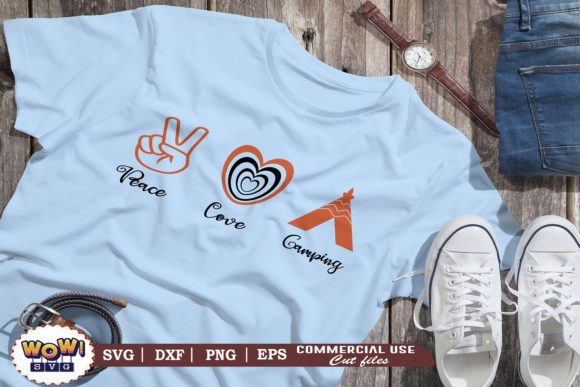
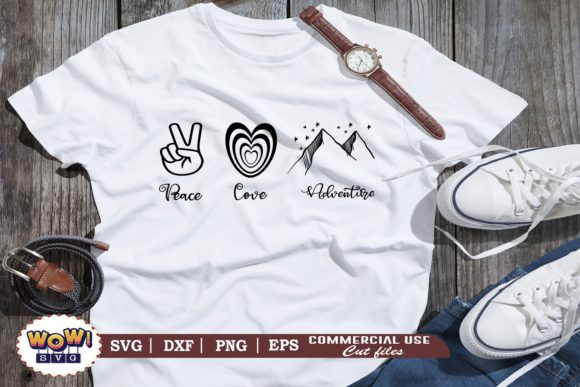
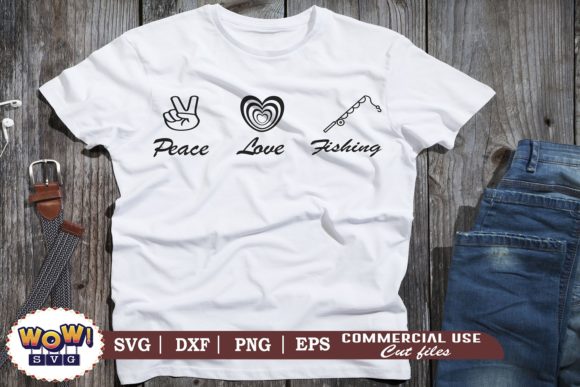
The premise is simple: a heart shape intertwined with fishing imagery. It taps into a very specific, passionate niche. For the right customer—a fisherman, a partner of one, or someone who finds peace by the water—this isn’t just a graphic; it’s an identity. My job is to determine if this machine embroidery design can translate that identity into a tangible, high-quality finished product.
First Impressions and Visual Personality
When you first load the files—which include versatile formats like SVG, PNG, EPS, and DXF—the layout feels balanced. The "Peace Love Fishing" concept relies heavily on the universal recognition of the heart and the peace symbol. In Illustrations and Graphics, these shapes are common, but in embroidery, they present unique challenges regarding negative space and stitch direction.
The mood is relaxed, nostalgic, and personal. It doesn’t scream for attention like a bold logo might; instead, it whispers. This makes it perfect for personalized gift items where the sentiment matters more than the spectacle. Visually, the design has a clean personality that suggests it will age well on apparel. It avoids overly trendy elements that might look dated in six months, focusing instead on a timeless theme that resonates with outdoor enthusiasts.
Real-World Application: From Screen to Stitch
Let’s talk about where this design actually lives. I recently imagined using Peace Love Fishing for a custom embroidered tote bag intended as a graduation gift for a nephew heading off to college in a rural area. The scenario felt natural. A canvas tote is durable, practical, and serves as a walking billboard for the wearer’s hobbies.
However, moving from a digital preview to a physical handmade product requires careful planning. On a tote bag, the fabric texture is coarse. If the design includes tiny, intricate details, they might get lost in the weave. I found that this particular design works best when placed centrally on the front panel, allowing the stitching to stand out without competing with seams or handles. It also translates beautifully to a sweatshirt embroidery project, particularly on the chest pocket area or centered on the back. The soft cotton blends typical of hoodies provide a smooth surface that allows the satin stitch edges to pop.
I also considered its use in baby embroidery. While the theme is adult-oriented, a smaller version could work on a burp cloth or a baby blanket for a father-to-be. But here is the catch: scale matters. What looks detailed on a small patch might look cluttered on a large garment if not digitized correctly. Always check the stitch density before committing to a final run.
Where to Exercise Caution
No design is perfect for every application. There are several scenarios where Peace Love Fishing might struggle if you aren’t prepared.
- Small Hoop Sizes: If you are working with a 4x4 hoop or smaller, you must ensure the design scales down properly. Tiny lettering or thin lines within the heart shape may become illegible or merge together during stitching.
- Textured and Stretchy Fabrics: Avoid placing this on heavy denim or highly textured wool unless you use a strong cut-away stabilizer. Stretchy fabrics, like those used in performance athletic wear, can cause the fill stitch areas to pucker if the tension isn’t adjusted perfectly.
- Dense Stitch Areas: If the design uses heavy fill stitches in the center of the heart, it can add significant weight to the fabric. This is problematic for lightweight materials like silk or thin rayon, which may pucker or distort over time.
- Curved Surfaces: While this design could work on a cap, caps have complex curves. Flat designs often require special cap hoops and careful placement to avoid distortion at the edges. Test this thoroughly before producing a batch for sale.
- Frequent Washing: For items like kitchen towels or aprons that see daily use, the longevity of the thread colors is key. Dark fabrics can sometimes show thread buildup or lint accumulation around dense stitches, so choose your thread colors wisely.
Impact on Product Value and Brand Consistency
For Etsy sellers and small shop owners, the perceived value of a product is directly tied to the quality of the execution. A poorly stitched design can ruin trust, even if the underlying product is good. Peace Love Fishing, when executed well, elevates the item from a generic commodity to a thoughtful, curated piece.
Consider the commercial embroidery angle. If you are creating merchandise for a local fishing club or a boutique brand, this design offers a friendly, approachable aesthetic. It doesn’t feel corporate; it feels community-driven. This emotional connection drives engagement. Customers don’t just buy a shirt; they buy into the lifestyle the shirt represents.
Furthermore, the versatility of the included file formats (SVG, DXF, etc.) means you can adapt the design for other uses, such as vinyl cutting for hats or decals for coolers. This cross-platform usability increases the ROI on your initial purchase, making it a smart asset for any craft business.
Practical Designer Notes for Success
Before you start mass-producing, follow these steps to ensure professional results:
- Test on Scrap Fabric: Never assume how a design will behave. Stitch it out on the exact fabric type you plan to use. Check for puckering, thread breaks, or misalignment.
- Check Thread Contrast: Light threads on dark backgrounds can sometimes appear faint, especially in shadow. Conversely, dark threads on light fabric can look harsh. Experiment with color combinations to find the best visual balance.
- Review Stitch Density: Look closely at the digitizing. Are there too many stitches in one area? Is the underlay sufficient to hold the fabric in place? High density is not always better; it can lead to bulkiness.
- Use Proper Stabilizer: The choice of stabilizer (cut-away vs. tear-away) is critical. For stretchy or heavy items, a cut-away stabilizer provides lasting support. For temporary items like tea towels, tear-away might suffice.
- Inspect Small Details: Zoom in on the digital file. Are the lines thin enough to be lost in the stitching process? If so, consider simplifying the design or increasing the scale.
- Confirm Licensing: Before selling finished products, verify the license terms associated with the digital embroidery file. Some licenses allow commercial use of the finished item but prohibit resale of the digital file itself. Always read the fine print to protect your creative entrepreneur business.
Final Verdict
Peace Love Fishing is a solid, reliable design for anyone looking to tap into the outdoor and fishing niche. It balances simplicity with thematic clarity, making it accessible to a wide audience. While it requires standard precautions regarding fabric choice and stabilization, its potential for success in custom apparel, embroidered patches, and holiday gifts is high.
It is not a groundbreaking artistic masterpiece, but it doesn’t need to be. It is a functional, emotive, and commercially viable tool. For the maker who values consistency, reliability, and customer satisfaction, this design earns its place in the library. Just remember: the magic happens in the execution. Treat it with respect, test it thoroughly, and let the quality of your stitching speak for itself.