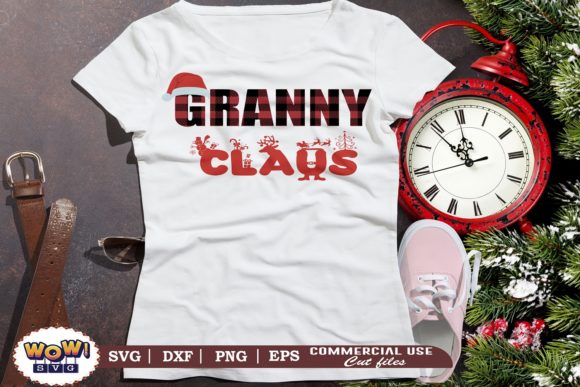
Granny Clause Embroidery Design Review
As a designer who spends more time troubleshooting stitch paths than drinking coffee, I approach every new digital asset with a mix of curiosity and skepticism. When Granny Clause landed in my inbox, I didn’t just see a cute graphic; I saw a potential bestseller for holiday collections, personalized gifts, and boutique apparel. But does it hold up under the needle? Can it translate from a flat screen to a textured fabric without losing its charm? After running through several test stitches and visualizing it on various products, here is my honest breakdown of how this design performs in real-world embroidery projects.
First Impressions: Mood and Visual Personality
The name itself sets the tone. Granny Clause evokes warmth, nostalgia, and that specific kind of cozy chaos that defines the holidays. Visually, the illustration feels grounded rather than overly whimsical. It doesn’t rely on excessive frills or tiny, fragile details that might get lost in stitching. Instead, it leans into bold shapes and clear silhouettes, which is exactly what you want when working with thread.
In the world of Illustrations and Graphics, character matters. This design has personality. It feels like something you’d find in a well-curated vintage shop or a high-end nursery catalog. The layout suggests a central focal point, making it versatile for placement on chest areas, tote bags, or as a standalone feature on kitchen textiles. For Etsy sellers and small business owners, this kind of recognizable, mood-driven aesthetic is gold. It tells a story before the customer even reads the product description.
Real-World Application: Where This Design Shines
I’ve been thinking about where Granny Clause would actually sell. Let’s look at a few scenarios.
Custom Apparel and Sweatshirts: Imagine this design embroidered on a cream or oatmeal-colored crewneck sweatshirt. The contrast between the soft fabric texture and the crisp lines of the design creates an instant premium feel. It works beautifully for custom apparel because it strikes a balance between playful and sophisticated. It’s not just a novelty item; it looks like a piece of art you’d want to wear.
Tote Bags and Market Totes: For tote bag design enthusiasts, this is a strong contender. A sturdy canvas tote featuring Granny Clause feels practical yet festive. It’s perfect for holiday markets, gift-giving, or everyday use during the winter season. The design’s scale allows it to dominate the bag without feeling cluttered, creating a clean, professional look that appeals to craft business buyers.
Baby Items and Nursery Decor: There is a gentle quality to this illustration that translates well to baby embroidery. Think onesies, burp cloths, or small blanket borders. The theme is family-oriented and safe, making it ideal for personalized gifts for baby showers or Christmas stockings. It avoids being too gender-specific, broadening its market appeal.
Holiday Gifts and Kitchen Textiles: Tea towels, aprons, and pillow covers are natural homes for this design. The "Granny" aspect lends itself to homey, rustic vibes. On a linen tea towel, the design adds a touch of elegance to the kitchen. It’s the kind of handmade product that customers buy because it makes their home feel warmer and more inviting.
Technical Considerations and Stitching Clarity
No matter how beautiful a design looks on screen, its success depends on how it stitches. Here is what you need to watch out for when digitizing or using Granny Clause.
- Stitch Density: Always check the stitch density in your digitizing software. If the fill areas are too dense, the fabric may pucker, especially on lightweight materials. Conversely, if they are too sparse, the backing material might show through. Aim for a balanced density that provides coverage without stiffness.
- Satin vs. Fill vs. Running Stitch: The design likely uses a combination of these. Pay close attention to the edges. Satin stitches should be smooth and tight to prevent fraying. Fill stitches should lay flat. Running stitches used for details need to be long enough to avoid tangling but short enough to maintain definition.
- Small Details: Inspect any tiny elements in the illustration. If there are fine lines or small text, ensure they are large enough to be stitched clearly. Tiny details can disappear on textured fabrics like wool or heavy cotton blends.
- Thread Colors: Test different thread colors against your fabric. High contrast usually yields the best results. For example, dark thread on light fabric will make the design pop, while low-contrast combinations might look muddy after washing.
Where to Use Caution
While Granny Clause is versatile, it isn’t suitable for every situation. Avoid placing it on highly textured fabrics like bouclé or thick chenille, as the stitch definition will be lost. Similarly, be cautious on stretchy knits unless you use a proper stabilizer to prevent distortion.
Small hoop sizes (under 4x4 inches) may cut off important details, so plan your placement carefully. Dark fabrics require careful color selection to ensure visibility. Also, consider the end-use: if the item will undergo frequent industrial washing, ensure the design is anchored well to prevent unraveling over time.
Final Verdict: Is It Worth Adding to Your Library?
For embroidery designers looking to expand their holiday offerings, Granny Clause is a solid addition. It offers a blend of charm and professionalism that resonates with modern consumers. Whether you are creating commercial embroidery pieces for boutiques or personalized gifts for friends, this design provides a strong foundation.
Before you start mass-producing, remember to test on scrap fabric first. Check the hoop size compatibility and confirm licensing terms if you plan to sell finished items. By taking these practical steps, you can ensure that your final product matches the high standards your customers expect.
In summary, Granny Clause is more than just a cute image; it is a functional, aesthetically pleasing design asset that can elevate your embroidery project game. It fits seamlessly into the worlds of digital product sellers, creative entrepreneurs, and makers who value quality and storytelling in their work.